

Open Accessibility Menu
Exited

OrganOx External Link

Life Sciences
South East
Early Stage
2020 - 2025

OrganOx is a University of Oxford spinout that developed the first fully-automated device for liver preservation. Its technology enables donor livers to be maintained in a functioning state, outside the human body, for up to 24 hours — significantly increasing the number of viable organs available for transplant and improving patient outcomes.

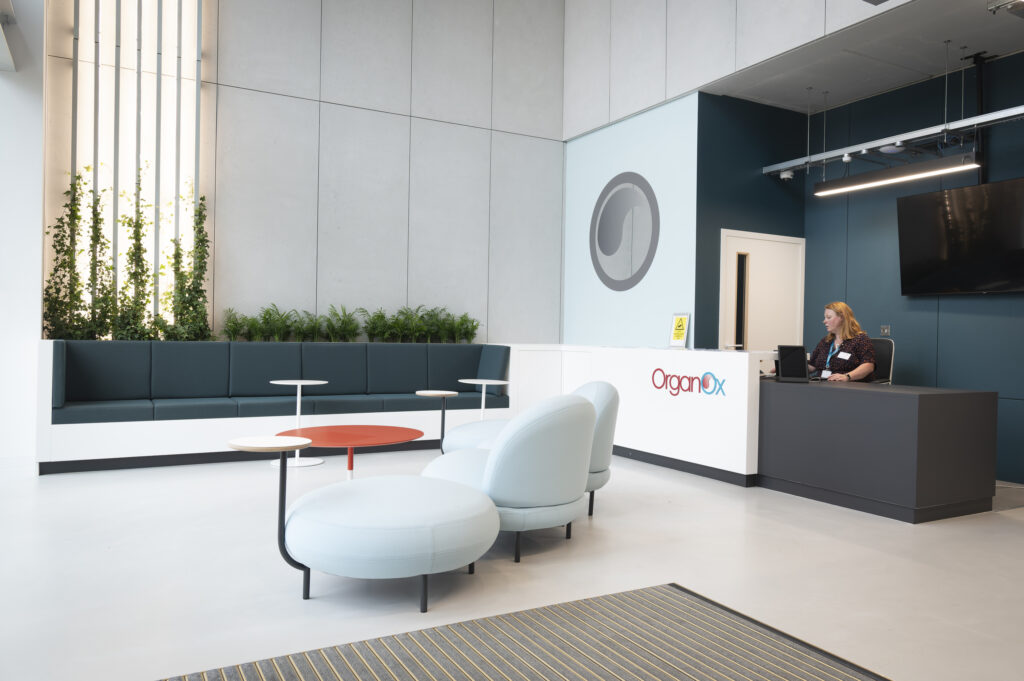
OrganOx offices

We first invested in OrganOx in 2019, and participated in seven rounds of investment, becoming the company’s largest shareholder. Our investment and support, along with that of an incredible group of co-investors and independent board members, helped the business scale into a world-leading medtech.

In 2025, we successfully exited our investment, which at the time was one of the largest ever for a UK medtech company – valuing the business at $1.5bn – and marked BGF’s largest ever return. It’s a story that highlights what it takes to build a successful medtech company: a strong scientific foundation, often built on years (or even decades) of translational research, combined with a clear focus on addressing significant unmet clinical needs and a clear path from research to commercial impact.

Our Early Stage team continues to back other companies with these characteristics, including Caristo, Cyted and TidalSense.

A problem worth solving

We were struck by the fact that in liver transplantation, thousands of patients die each year while still on the waiting list for a new organ because demand far exceeds the supply of suitable donors. At the same time, many potentially transplantable livers are discarded because clinicians have limited ways to assess their viability with confidence.

OrganOx is a prime example of the early-stage businesses we look to back. The company was founded to solve a clearly defined clinical challenge, developing innovative organ preservation technology that has the potential to improve transplant outcomes and save more lives.

A purpose-built solution

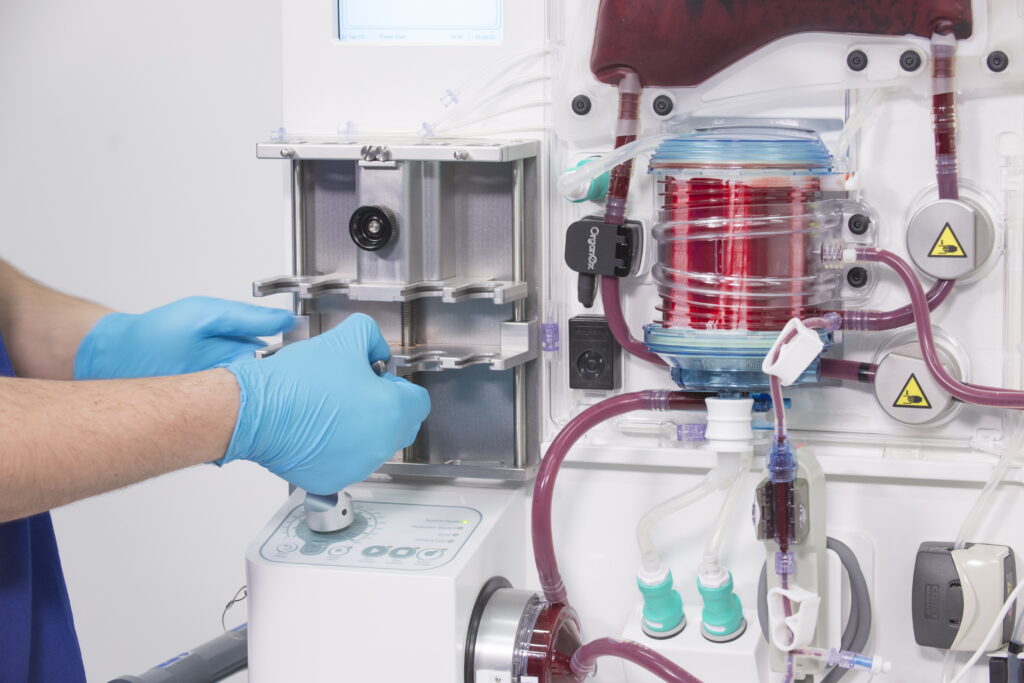
Spun out of the University of Oxford by transplant surgeon Professor Peter Friend and engineer Professor Constantin Coussios, OrganOx has developed a pioneering normothermic machine perfusion system.

Rather than preserving organs on ice, the system keeps donor livers functioning outside the body for up to 24 hours. This enables clinicians to objectively assess organ viability with far greater confidence before transplantation, increasing the proportion that can safely be used.

At the point of our exit, OrganOx’s technology had been used in more than 6,000 liver transplants worldwide. That number is now at 10,000 and the company has helped establish a new standard of care in organ transplantation.
“Medical device innovation requires patient and supportive capital, to fully realise its life-saving, societal and economic impact. We feel privileged to have had the support of committed investors to take our technology from university concept to standard-of-care, and see it transform the lives of over 6,000 patients to date.”
Constantin Coussios
Co-Founder and CTO of OrganOx
OrganOx metra setup

Why we invested

When we first met OrganOx, the investment case was a compelling fit with our thesis. Results published in Nature showed that its technology could objectively assess donor livers and had identified 26 of 31 organs that had previously been declined for transplantation as suitable for use. At the same time, OrganOx was launching a pivotal US clinical study, a critical milestone on the path to regulatory approval and commercial adoption. Here’s what we saw in the business that made us want to go on the journey with them:

A significant unmet need

A clear need existed for a technology that could reduce the unnecessary discard of donor livers and increase the number of life-saving transplants.

Clinical validation

Strong scientific evidence demonstrating the ability of OrganOx technology to increase the number of donor livers available for transplantation, supporting both clinical impact and commercial potential.

Market diligence

We built confidence by speaking to transplant surgeons with direct experience of the patient need to get a clear picture. This not only helped us understand the technology, but also how it would be adopted in practice and the potential impact on all key stakeholders.

Clear adoption drivers

The technology delivered clear benefits across the transplant pathway, removing many of the barriers to adoption that can prevent even the most innovative technologies from achieving widespread use. It increased the number of donor livers available , improved patient outcomes and helped hospitals perform more transplants more efficiently.