Insights
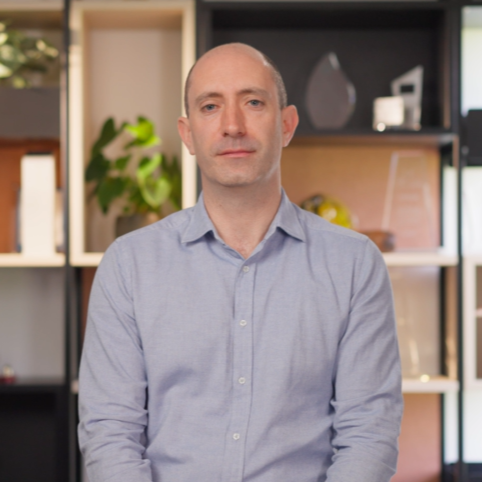
Shashi Seshadri, Skewb: “Don’t lose what makes you different”
As part of our Stories of Growth series, we speak to the Co-Founder and CEO of the digital and tech company.
24 November 2026
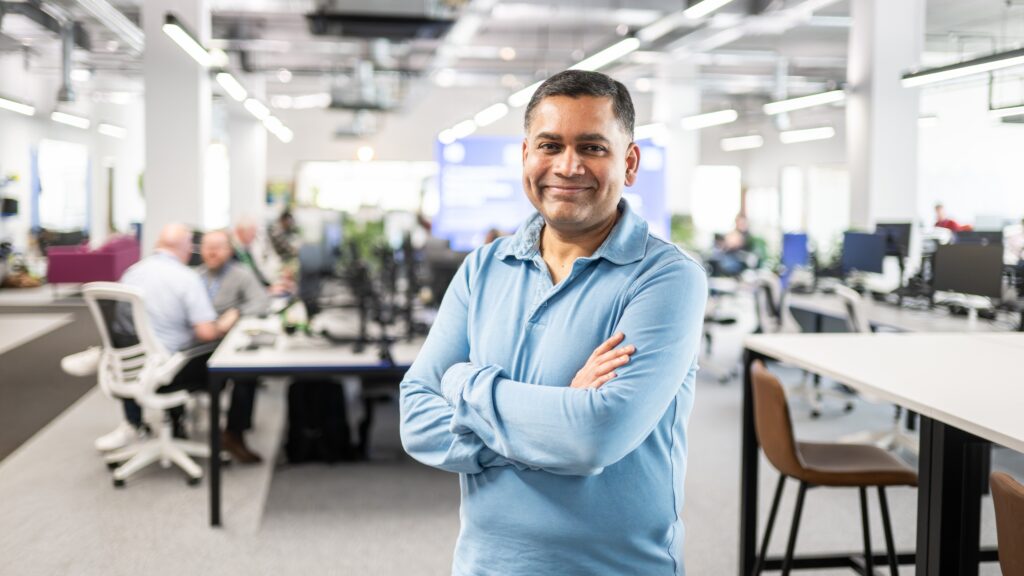
Skewb was founded by Shashi and Indu Seshadri to help energy and water companies tackle their most complex challenges through digital transformation. BGF invested in the Warwick-based business in 2024, supporting plans to expand its products and services, and continue scaling its customer base.
Here, Shashi reflects on Skewb’s journey from its earliest days to breakthrough moments and lessons learned along the way.
Building from the ground up
When I left my previous business after two decades in the UK energy and water sector, my entrepreneurship journey began quite organically. Starting Skewb with my wife as co-founder felt like a natural choice.
Our guiding principle was that we wanted to build a business that could make a difference to our clients, our people and the ecosystem around us. Delivery is at the heart of what we do – moving quickly, solving meaningful problems for clients and taking our employees – or ‘Skewbers’ – with us on that journey.
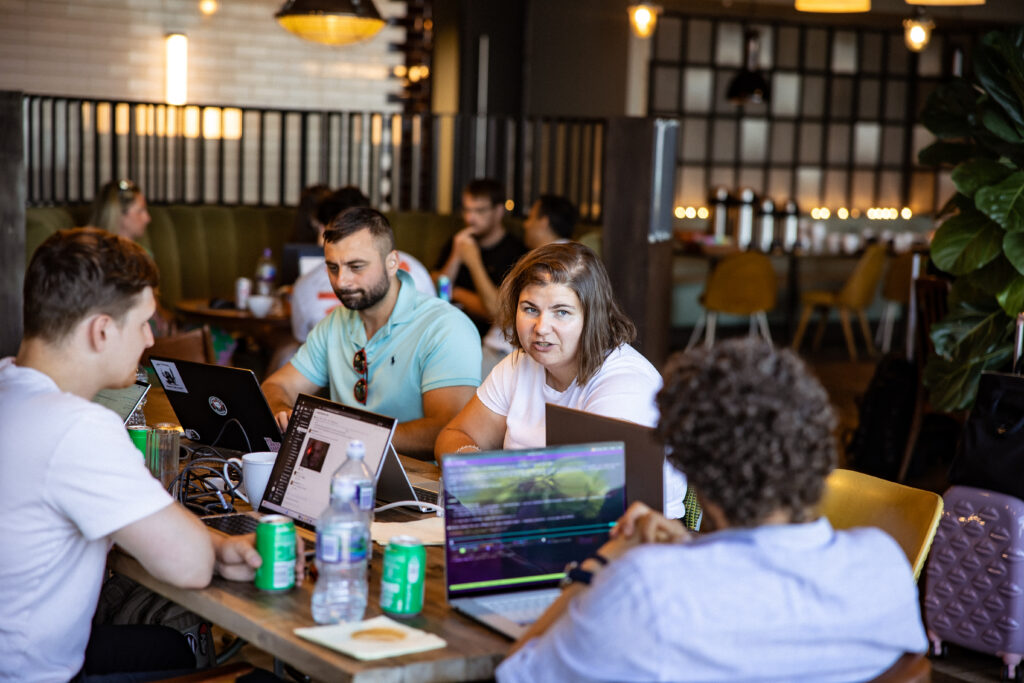
At first, we were doing everything ourselves. That meant holding meetings in coffee shops and service stations as we created early traction, confidence and capital. Before our first hire arrived in July 2019, we had a tiny two-person office in the same building as BGF in Birmingham, which feels quite serendipitous as we return to that space as a portfolio company.
“At first, we were doing everything ourselves.”
Solving problems that matter
The energy and water sectors have no shortage of challenges. Most of them come back to making essential services more accessible, sustainable and affordable for consumers. Skewb fundamentally exists to solve these challenges.
Operating in a mature regulatory market means there is good visibility of the obstacles facing the sector. We have clear outcomes, cost pressures, efficiency targets and performance expectations, indicating where customers will need support. It means we can plan for what problems our customers will face next, rather than working reactively. It also encourages proactivity, creativity and innovation.
Learning to scale
Every stage of growth has a different fabric. What works when you are trying to reach your first £1m of revenue doesn’t necessarily work between £1m and £5m, or beyond. Our early projects might have been worth £25-50k, but once you’ve reached £30m in revenue, you can’t just deliver more projects at that level. You need to think differently about the portfolio and pursue larger opportunities that may take more time and deeper relationships to convert.
Our scaling journey is punctuated by breakthrough moments. One I remember clearly was securing our first multi-million-pound, three-year deal with Cadent in 2021/22. I took the call from the Colosseum in Rome while on holiday with my family. When the phone finally rang, it was a real inflection point for us.
Your people evolve too. Not everybody will take the same path as the company grows. Our job is to preserve the principles behind how we work while creating space for new perspectives. That ability to change without losing our cultural core has been hugely important to us.
“Every stage of growth has a different fabric.”
Finding the right investment partner
Our ambition was never to create a small business. We wanted to build something with real scale and recognised that to reach the next stage, we need better credibility with the financial and investment community.
As we approached potential investors, BGF quickly understood our value system and how we wanted to work. The partnership has brought greater professionalisation and a more grounded approach to decision-making, while developing a level of trust between leadership and the board based on a healthy balance between support and challenge.
Most importantly, we’ve been able to get on with delivering our ambitious plan and are ahead of where we expected to be.
Playing to your strengths
As an entrepreneur, one of the biggest lessons I’ve learned is to take a holistic approach to decision-making. It’s important to understand your own strengths and not apologise for them. But it’s equally important to understand the strengths of the people around you and create the conditions for them to use those strengths.
Many entrepreneurs also share a strong instinct. I would encourage all entrepreneurs to back themselves, be self-aware and understand their market. Not everyone is a natural risk-taker, but that doesn’t mean they lack the passion to fulfil their ambitions. There are many different routes to doing that. If you understand that every aspiration comes with some sacrifice and trade-offs, you will be prepared for the journey.
“It’s important to play to your own strengths and not apologise for them.”
Making it easier to take risks
There are many advantages to starting and growing a business in the UK. It has so much of the infrastructure you need, which is increasingly digital. Making these core processes easier is one of the country’s most important attributes because entrepreneurs need to spend their time growing their business and delivering for customers rather than navigating bureaucracy.
But I think we can improve our attitude to risk. Entrepreneurship is inherently associated with growth, vision and taking calculated risks, which founders are often not incentivised to take. Backing entrepreneurs sometimes means looking beyond historical precedent as a criteria for what could happen next and having the courage to support it. Getting that balance right could help more businesses move faster and, ultimately, support growth across the economy.
Focus on the method
Would I do anything differently? Probably not. I’m particularly proud that we’ve allowed new people to bring themselves into Skewb as we scale, without losing the cultural fabric that makes the business what it is in the first place.
There is always more road ahead. You can pause, look back and realise how far you have come, and then immediately look forward and see how much there is still to do.
That is why I’ve always tried to focus on the method, not the outcome.